
Protein: your complete guide to getting it right
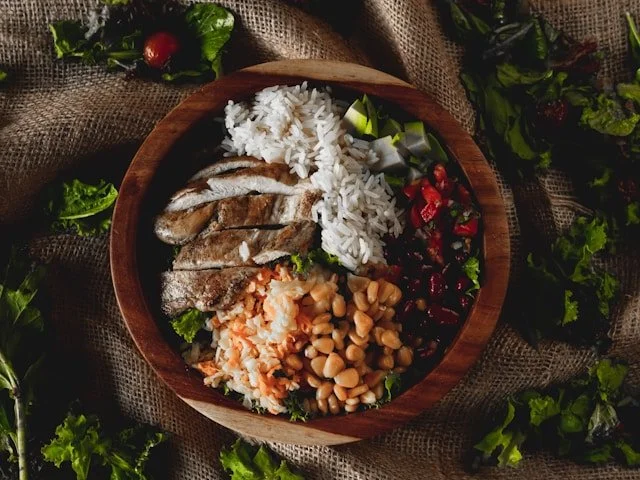
Photo by joe boshra on Unsplash
You've probably heard that protein is important. Maybe you've wondered if you're getting enough, or whether you need a protein shake after your workout. Let's cut through the noise and talk about what protein actually does, how much you really need, and most importantly, how to get it without overthinking every meal.
What is protein?
Think of protein as your body's building blocks. At a molecular level, proteins are made up of amino acids – often called the ‘building blocks of life’ – which link together in different combinations to create everything from your muscles and bones to your hormones and immune cells.
There are 20 different amino acids in total. Your body can make 11 of them on its own, but the other nine, known as essential amino acids, need to come from your diet. This is why what you eat matters.
Unlike carbohydrates or fats, your body doesn't store protein for later use. This means you need a regular supply throughout the day to keep everything running smoothly.
Why do we need it?
Protein does far more than just build muscle (though it does that too). Here's what it's working on every single day:
Tissue repair and growth. Every time you move, exercise, or even just go about your day, you're creating tiny amounts of wear and tear in your muscles and tissues. Protein repairs this damage and helps you recover.
Enzyme and hormone production. Proteins form the enzymes that digest your food and the hormones that regulate everything from your mood to your metabolism. Insulin, for example, is a protein hormone that controls your blood sugar levels.
Immune function. Antibodies – your body's defence system against illness – are made of protein. Without adequate protein, your immune system can't function properly.
Maintaining lean muscle mass. As we age, we naturally lose muscle mass in a process called sarcopenia. Adequate protein intake helps slow this process, keeping you stronger and more independent as you get older.
Supporting joint, skin and gut health. Protein provides the amino acids needed to produce collagen and other structural proteins that keep your joints cushioned, your skin elastic, and your gut lining strong. Your gut lining regenerates every few days, and this constant renewal requires a steady supply of protein to maintain the integrity of your digestive system.
Satiety and blood sugar balance. Protein helps you feel fuller for longer and slows down the absorption of carbohydrates, which means more stable energy levels throughout the day.
How much should I eat?
This is where things get personal, because your protein needs depend on several factors: your age, activity level, and health goals.
The baseline. The UK government recommends 0.75g of protein per kilogram of body weight per day for adults. For a 70kg person, that's about 52g daily. But here's the thing: this is really the bare minimum to prevent deficiency, not necessarily the optimal amount for health and vitality.
For active individuals. If you exercise regularly – whether that's running, gym sessions, yoga, or even regular brisk walking – you'll benefit from more. Research suggests 1.2-2.0g per kilogram of body weight. So, a 70kg person might aim for 84-140g daily.
As we age. Here's something many people don't realise: protein requirements actually increase as we get older. After about age 65, your body becomes less efficient at using protein, a phenomenon called ‘anabolic resistance.’ Older adults benefit from aiming toward the higher end of the range – around 1.2-1.5g per kilogram a day – to maintain muscle mass and strength.
For weight management. If you're trying to lose weight, protein becomes even more important. It helps preserve your lean muscle mass while you're in a calorie deficit, and keeps you feeling satisfied. Aiming for 1.6-2.0g per kilogram a day can be beneficial.
Can I get enough protein from the food I eat?
Absolutely. And you don't need expensive supplements or protein powders to do it (though they can be convenient).
(By the way, if you're curious about whether supplements like collagen or protein powder might benefit you specifically, I've written a detailed guide comparing the two.)
The key is knowing what you're eating and spreading your protein intake throughout the day.
Your body can only use about 25-40g of protein per meal for muscle protein synthesis, so three protein-rich meals are more effective than one massive protein-loaded dinner.
Let me show you what this could look like in practice.
What a day of eating 120g protein looks like
Let's say you weigh 70kg and you're moderately active. Using the 1.5-2.0g per kilogram guide, you'd aim for about 105-140g protein daily. Here's how to hit around 120g without overthinking it:
Breakfast (25-30g protein)
Two scrambled eggs (12g), a slice of rye toast (3g), a 150g pot of Greek yoghurt (15g), a handful of almonds (6g)
Porridge made with 200ml whole milk (7g), two tablespoons of peanut butter stirred through (8g), a 150g pot of Greek yoghurt on the side (15g), banana sliced on top
Smoothie with 30g vegan protein powder (20g), 200ml oat milk (2g), two tablespoons of chia seeds (3g), berries and spinach
Lunch (38-42g protein)
One tin of sardines (20g), one tin of chickpeas mixed through (16g), broccoli and sweetcorn salad (6g)
Vegetarian chilli made with one tin of kidney beans (15g) and one tin of black beans (15g), topped with 50g grated cheese (12g), served with a mixed salad
Lentil and chickpea curry using one tin of lentils (18g) and one tin of chickpeas (16g), quinoa 75g dry weight (10g), served with steamed broccoli
Dinner (40-45g protein)
Grilled chicken breast (30g), quinoa 75g dry weight (10g), green salad with pumpkin seeds
Tofu stir-fry with 200g firm tofu (20g), edamame beans 100g (11g), brown rice 75g dry weight (6g), mixed vegetables, topped with 20g cashew nuts (5g)
Bean burger made with black beans and quinoa (15g), whole grain bun (5g), side of roasted chickpeas (15g), large mixed salad with hemp seeds (10g)
Snacks (7-10g protein)
Mini pot of houmous with three oatcakes
Two medium-sized boiled eggs
Houmous 50g with vegetable sticks (4g), small handful of pumpkin seeds (4g)
Making it work for you
The beauty of understanding protein is that you can mix and match based on what you enjoy eating. Love eggs? They're one of the most bioavailable protein sources available, meaning your body can use nearly all the protein they contain. Prefer plant-based? Combining different plant proteins throughout the day (like rice and beans, or houmous and rye bread) ensures you get all your essential amino acids.
A few practical tips:
Plan your protein first when building a meal, then add your vegetables, healthy fats and whole grains around it
Keep convenient protein sources on hand: tinned fish, eggs, Greek yoghurt, nuts, and tinned pulses are all shelf-stable or long-lasting
Don't fear variety. Your body benefits from different protein sources because they each bring different nutrients to the table
Spread your intake across the day rather than loading it all into one meal.
Ready to optimise your nutrition?
Understanding protein is just one piece of the nutrition puzzle. Your specific needs depend on your age, activity level, health status, and personal goals – and getting it right can make a real difference to how you feel, age, and perform.
If you want to know whether your eating habits are on the right track for your stage of life and health goals, I'd love to help. Why not book a free 20-minute, no-obligation chat with me, and we can discuss where you are now and how to get you where you want to be.