
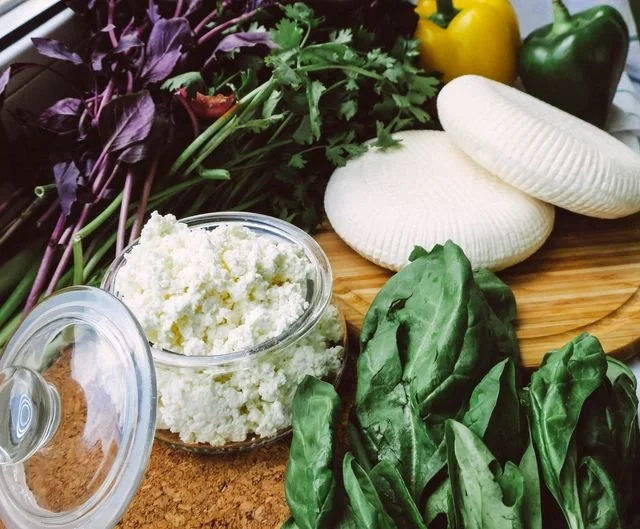
Photo by Christina Voinova from Pexels.
Our bones might feel solid, but they’re living tissue that’s always being broken down and rebuilt. Bone strength peaks around the age of 30, and from there it gradually reduces as we get older. For most of us, that’s a slow but ordinary part of ageing.
For women, menopause adds another layer. Oestrogen helps protect our bones, so when it drops, bone loss speeds up. That’s one reason osteoporosis (bones that have become fragile enough to break more easily) is more common in women than in men, and why lower bone density, known as osteopenia, often shows up around this stage of life.
So, when someone discovers their bone density is low, or starts to worry about it, the nutritional advice tends to be the same: make sure you’re getting your 700mg of calcium a day. And that’s sound advice. But calcium is only half of the story.
As a nutritional therapist with a particular interest in bone and joint health, I’ll walk you through the other nutrients and foods that are also worth considering to give your bones the support they need.
How do your bones stay strong?
Think of your skeleton as a house that's always under renovation. Inside every bone, a demolition crew clears out old or damaged bone, and a building crew puts new bone in. The proper names are osteoclasts (the demolishers) and osteoblasts (the builders), but I’ll stick with the crews. While the two keep up with each other, your bones stay strong. Osteopenia and osteoporosis are what it looks like when the demolition crew gets ahead of itself.
That’s why different nutrients matter. Some supply the building materials, like calcium and protein. Others help the crews do their jobs, like vitamin D, magnesium, and vitamin K.
And around menopause, when oestrogen is no longer holding the demolition crew back, it's even more important that the builders have the materials they need.
So which foods should you focus on to support bone density?
Back on the building site, food is the delivery lorry. The crews can only work with what turns up. So where should you focus your time and effort?
Calcium-rich foods
UK recommendations for calcium currently sit at 700mg a day for adults. If you’re at risk of osteoporosis, your doctor may suggest nearer 1,000mg, so ask what’s right for you.
Dairy, broccoli, kale, watercress, edamame beans, tahini, oranges, dried figs, and bony fish, like sardines and tinned salmon, all contribute to your calcium intake.
If you're dairy-free, calcium-set tofu, and plant milks with added calcium, will help (check the label though as amounts can vary).
You may have read that spinach contains a high amount of calcium. It does, but your body can’t digest it well, so don't rely on it as your primary source of dietary calcium.
Protein (and getting enough)
Protein helps build the framework for calcium to sit into, and it keeps your muscles strong, which is important for staying steady on your feet, and reducing your risk of falls. Research suggests getting enough protein, and for older adults a little more than the minimum, may help protect bone density and lower hip fracture risk.
You'll find protein in meat, fish, eggs, dairy, tofu, tempeh, beans, peas, lentils, nuts and seeds. A portion with each meal (around 25-30g) is a good habit to get into.
Vitamin D, magnesium and vitamin K
These nutrients work alongside calcium, and you'll find them in everyday food:
Vitamin D regulates calcium, and also osteoclast and osteoblast activity (remember our demolition and building crews?). Small amounts can be found in oily fish, eggs and red meat, but some safe time outdoors helps too, because your skin makes vitamin D in sunlight.
Magnesium helps calcium and vitamin D do their jobs. It's in green veg, nuts, brown rice, fruit, dairy and dark chocolate (with 70%+ cocoa solids).
Vitamin K2 plays a part in building bone. Look to hard cheeses, egg yolks, liver, poultry, tempeh and dark green leafy veg for this often overlooked nutrient.
Other minerals to consider for bone density support
Bones also benefit from a few other minerals too. They're called trace minerals as your body only needs them in tiny amounts:
Boron supports how your body handles calcium and oestrogen, and helps with mineralisation (the process where minerals are laid down in bone, making it hard). You’ll find it in prunes, raisins, almonds, apples and legumes.
Zinc is involved in making collagen (the flexible framework that bone is built on) and in keeping your builders busy, so it helps with renewing bone tissue. You’ll find it in pumpkin seeds, seafood, red meat, lentils and oats.
Manganese helps calcium get laid down in bone. You’ll find it in mussels, wholegrains, nuts and seeds, legumes and tofu, pineapple and sweet potato.
As you'll see, nuts, seeds, legumes and wholegrains keep turning up, so a regular spread of these across your meals is an easy way to cover several of these minerals in one go.
What about plant oestrogens (aka phytoestrogens)?
Phytoestrogens are plant compounds that mimic oestrogen by binding to oestrogen receptors that sit on the bone. They regulate bone turnover by promoting osteoblast activity (the builders) and suppressing those osteoclasts (the demolition crew).
Regular intake may reduce menopausal bone loss and support bone mineral density, although most of the research so far has used supplements rather than food. Your gut bacteria may also influence how well your body uses phytoestrogens.
Phytoestrogen-rich foods include tempeh, miso, edamame beans, chickpeas, flaxseeds, sesame seeds, onions, apples, and blueberries. It's worth getting a variety of these into your meals each week (because they all have different benefits), rather than relying on one or two on repeat.
What do you do with all this?
None of these foods are a magic fix. There are many factors that can affect bone density, such as age, hormones, digestive health, inflammation, and low body weight, so it's important to identify and address the driver. Everyone is different and that's what my deep dives with clients are for.
If you're concerned about your bone health, you're welcome to book a free chat with me. You can talk through where you are, what you've already tried, and we can discuss the options available to you.